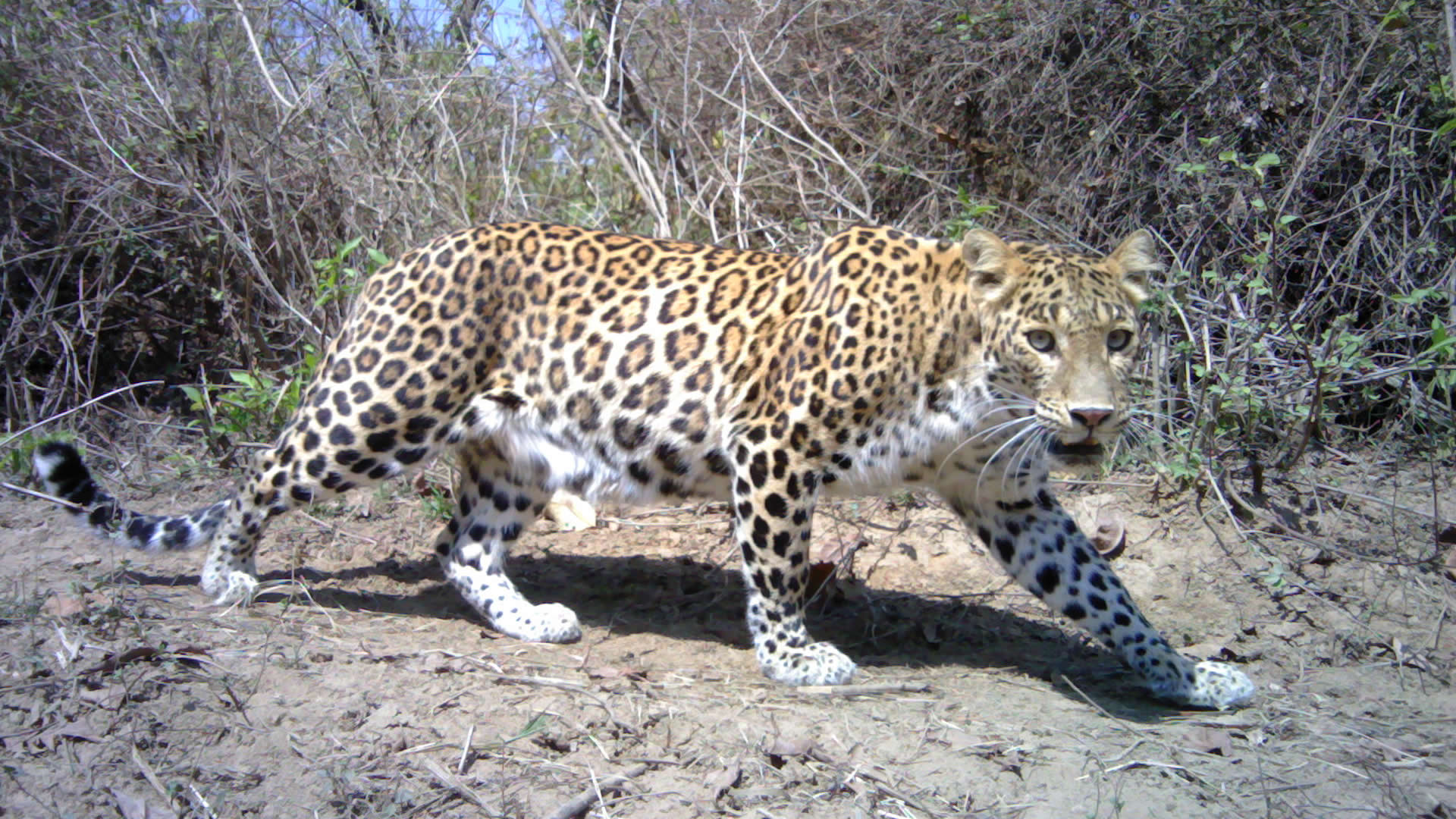
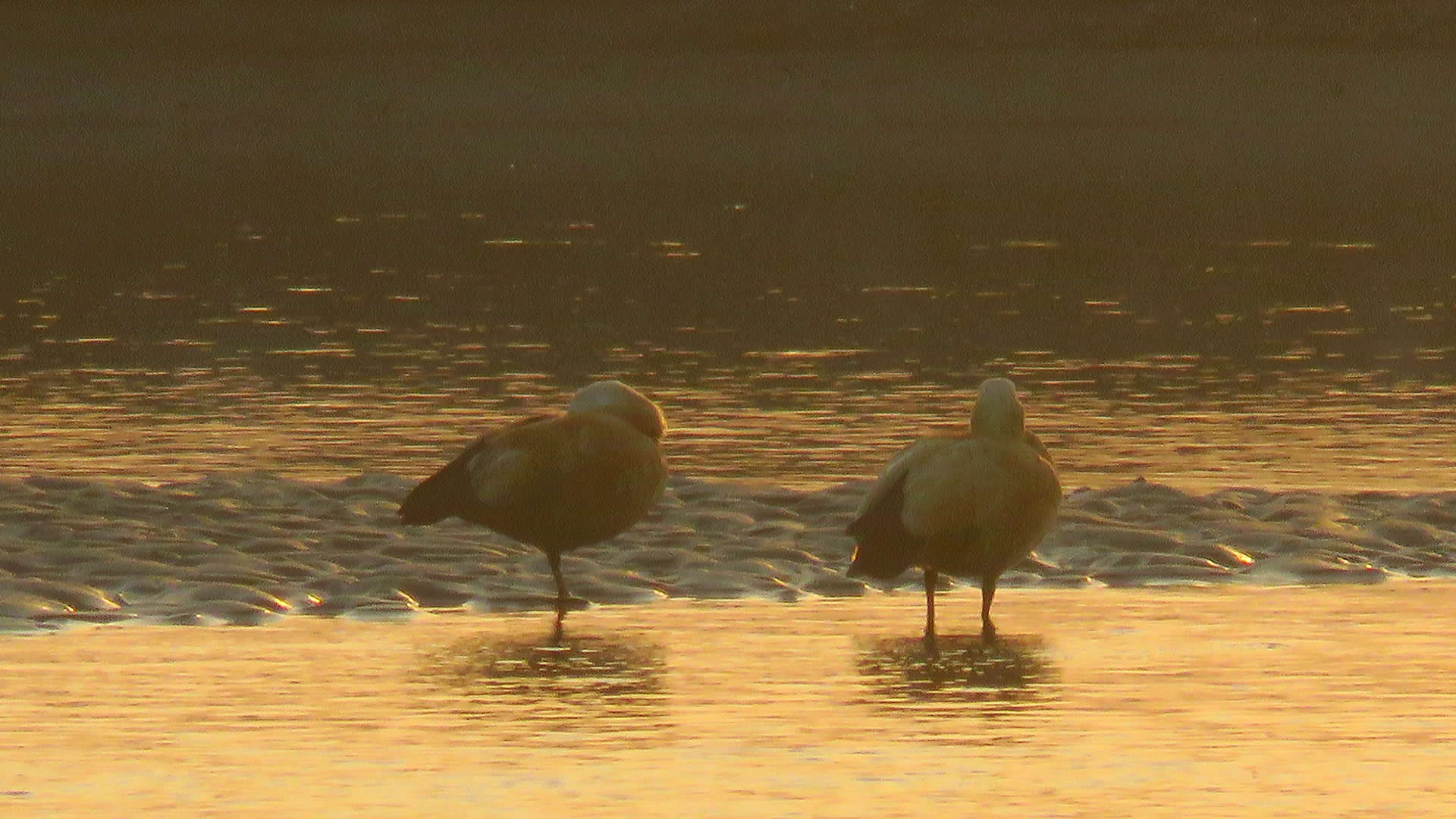
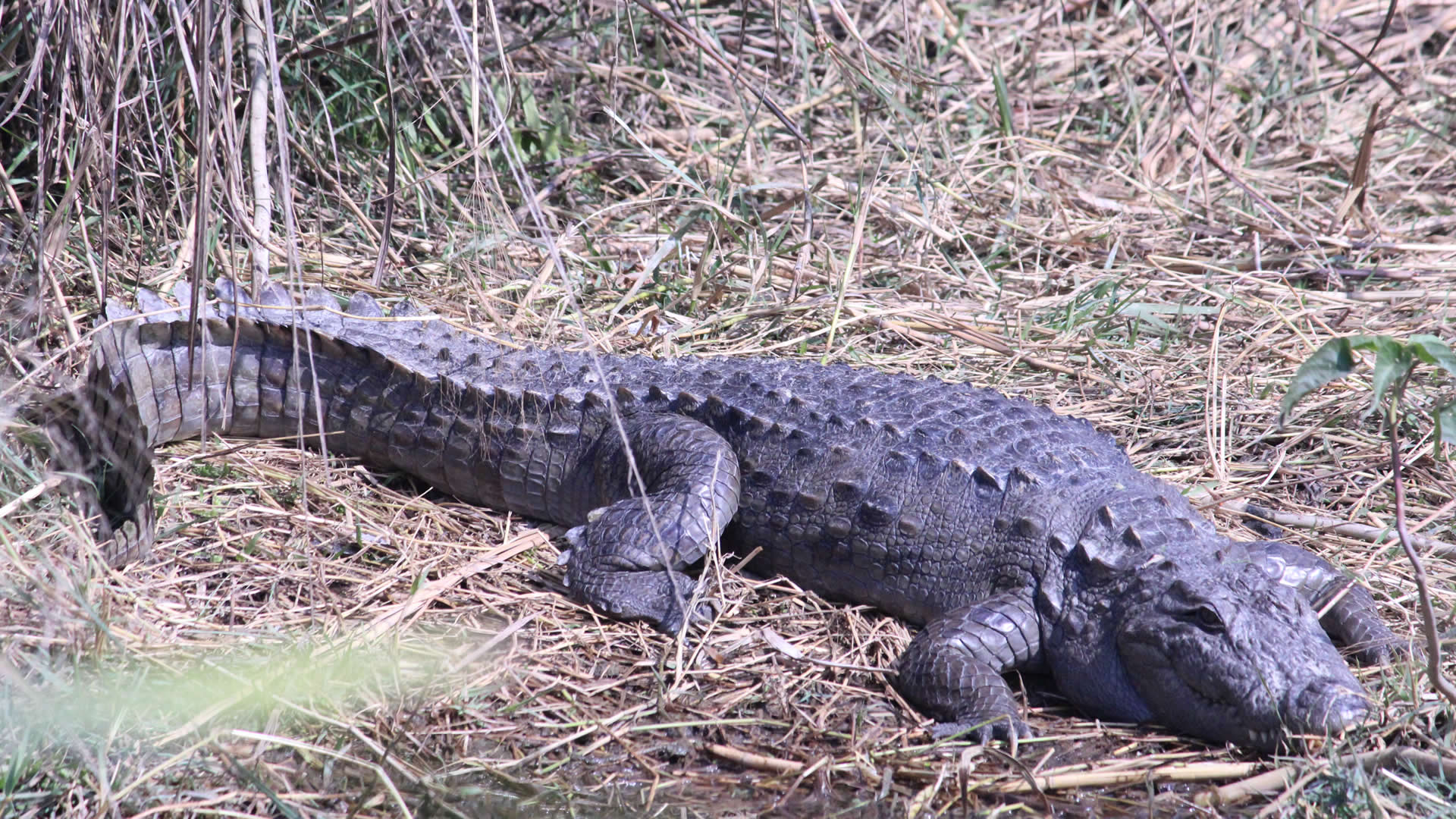
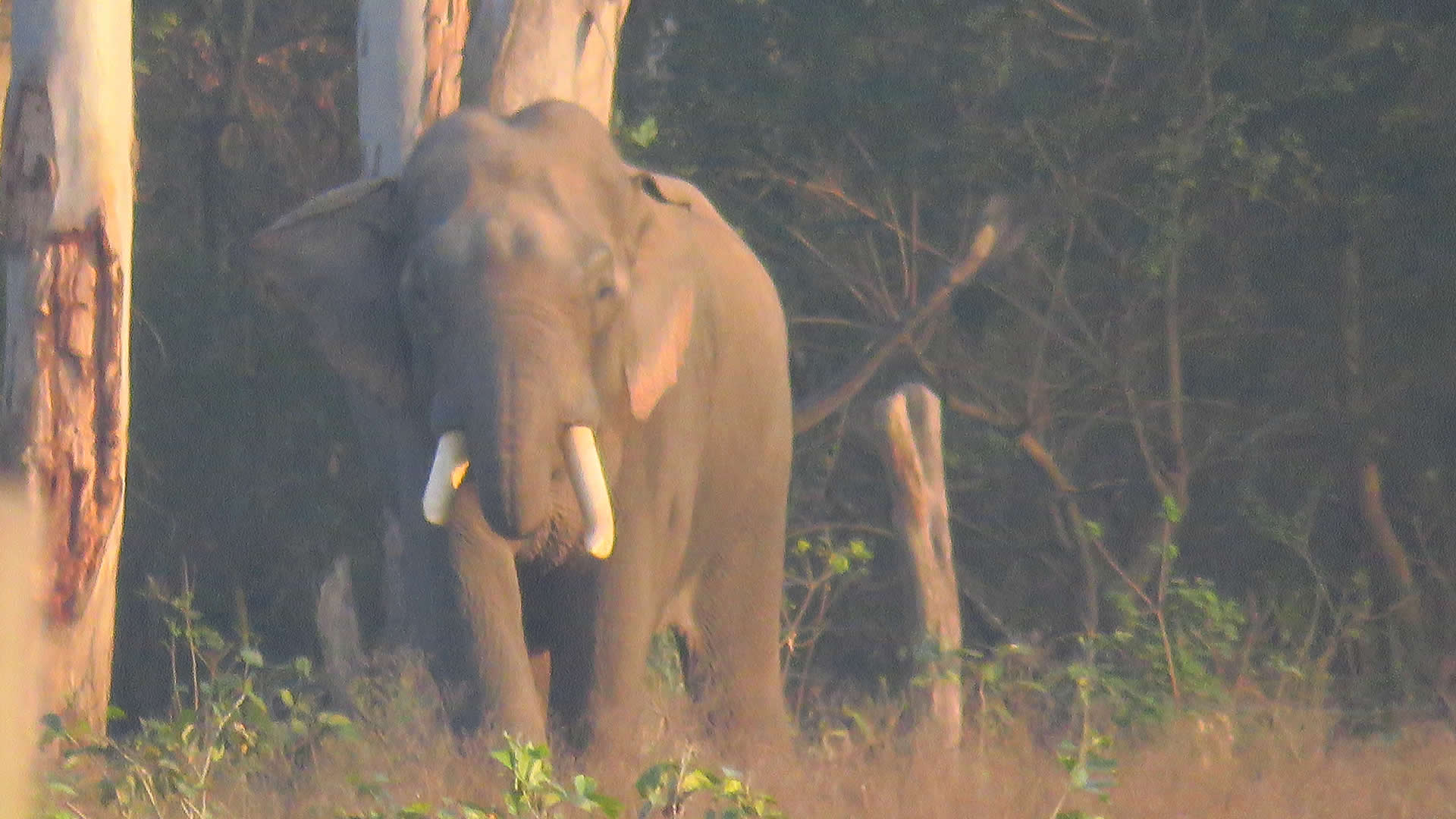
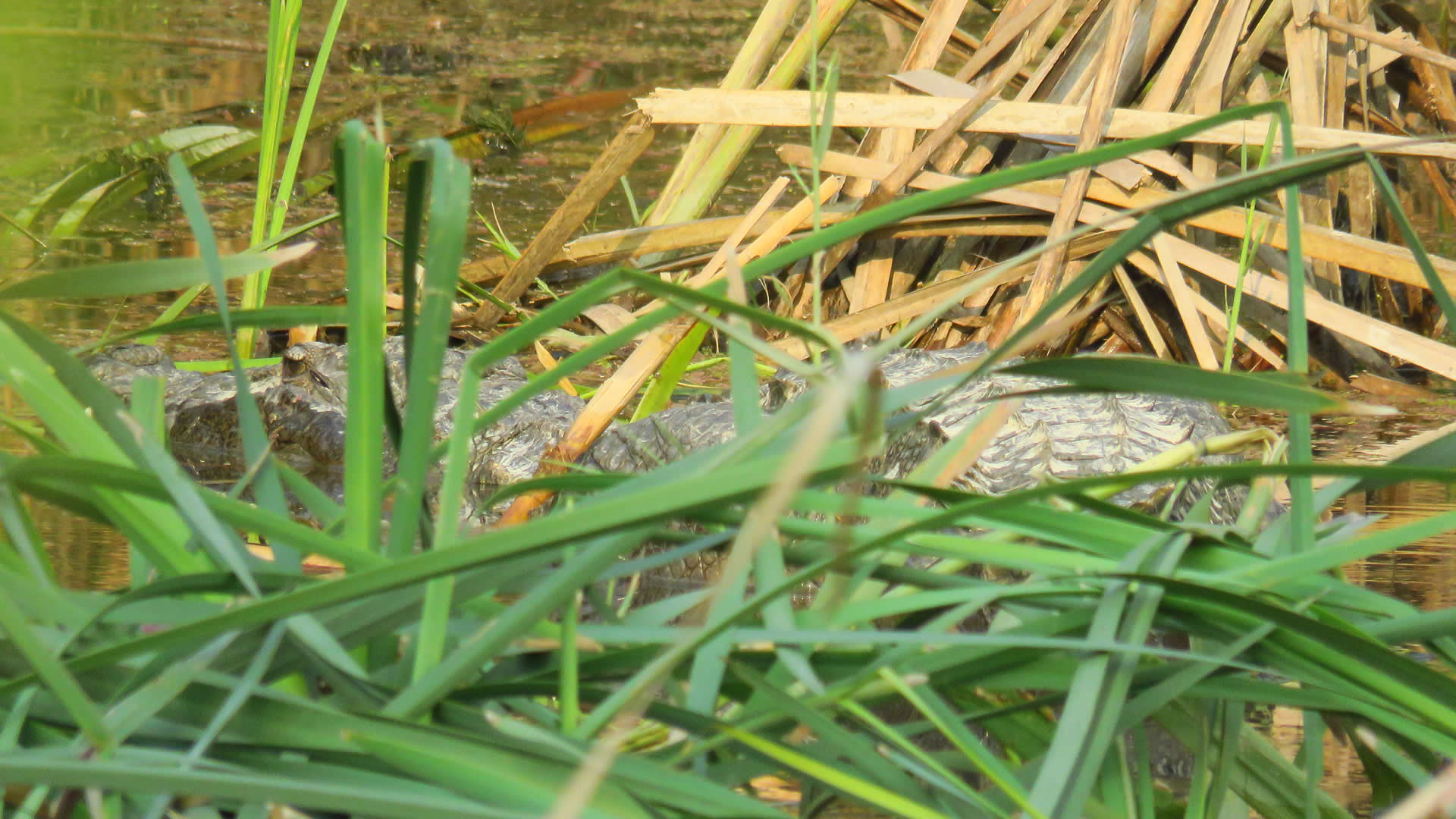
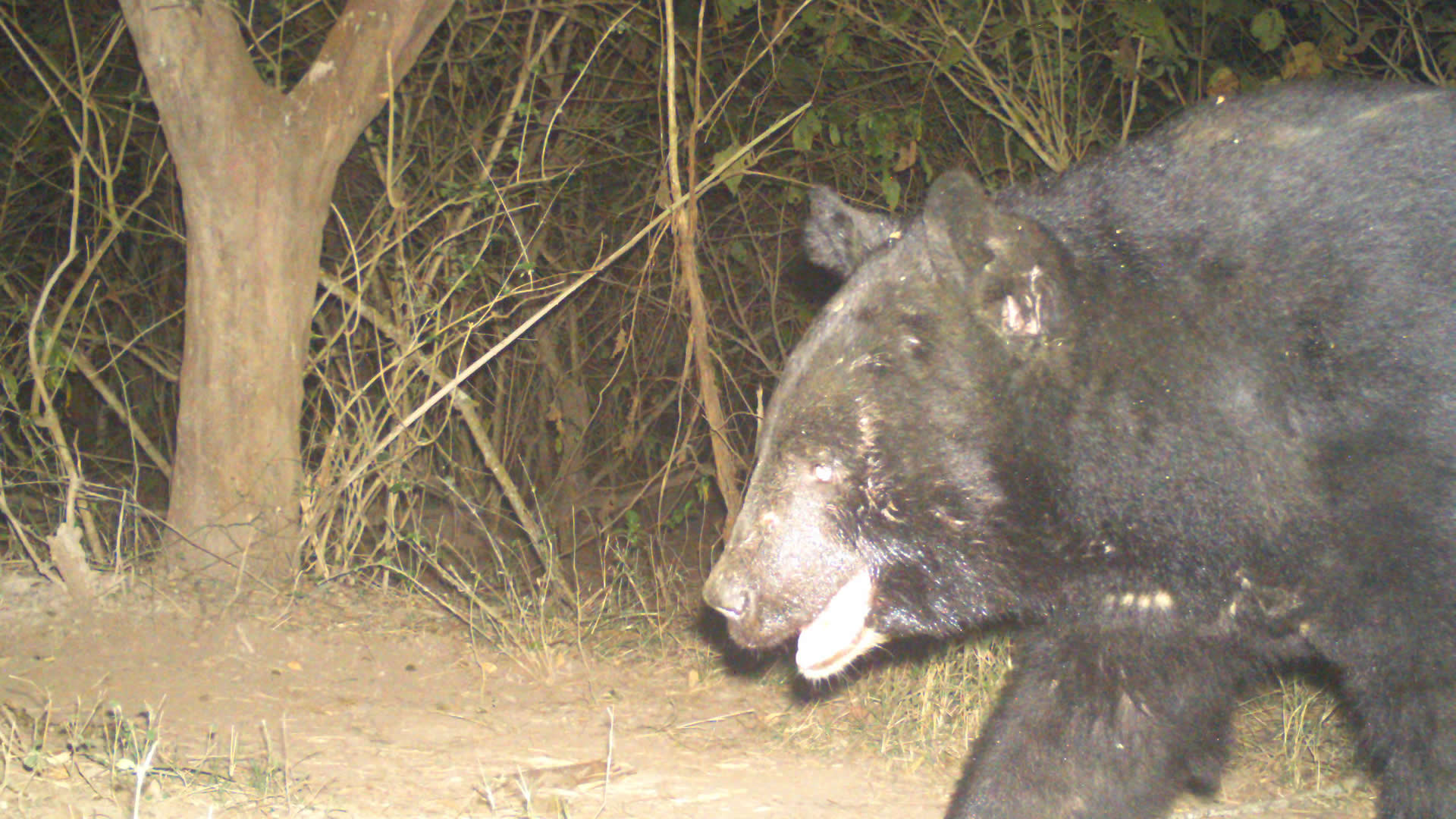
I would promote the package around five photography categories rather than promising a particular animal.
Photography | Potential Subjects |
|---|
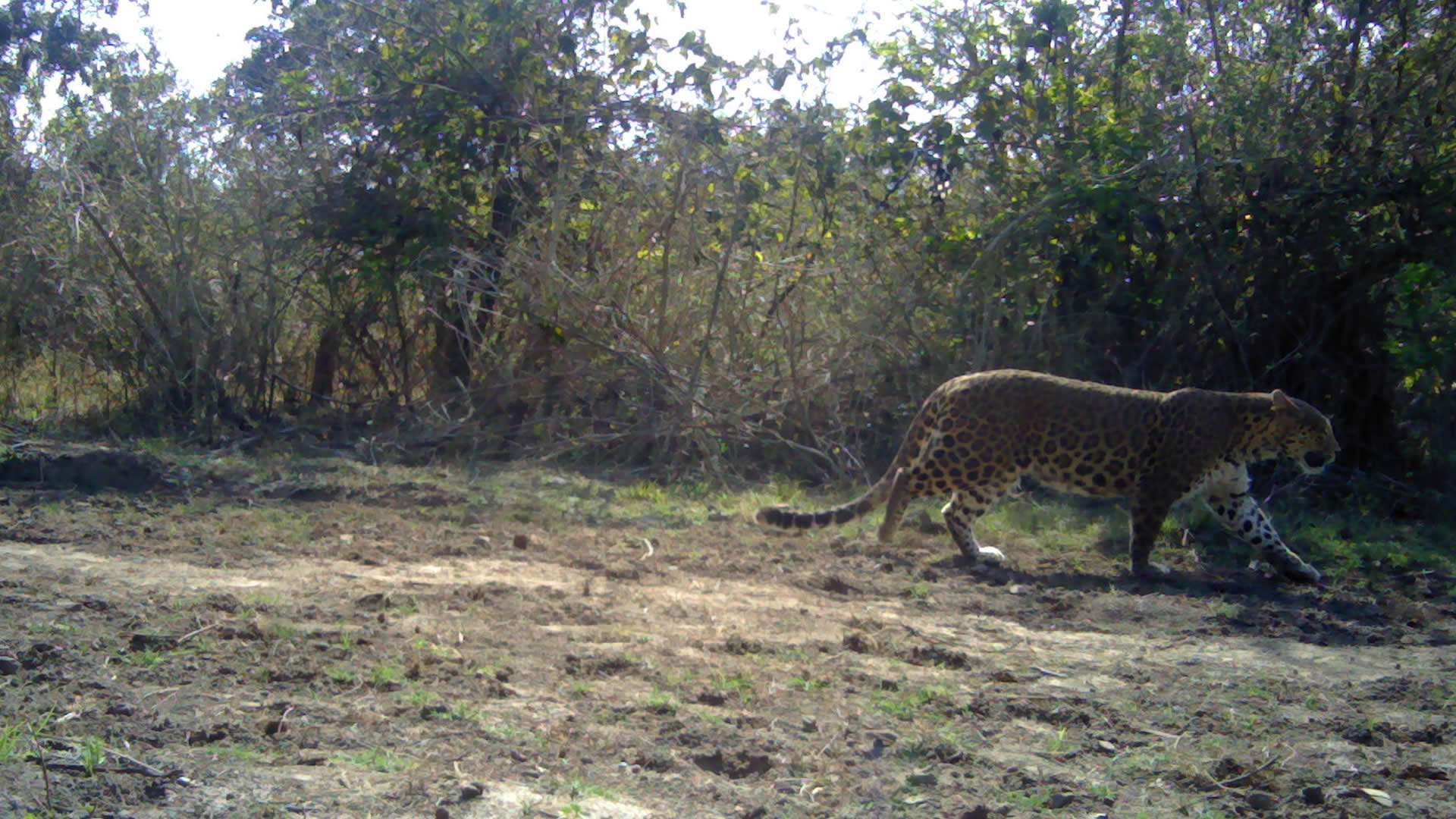
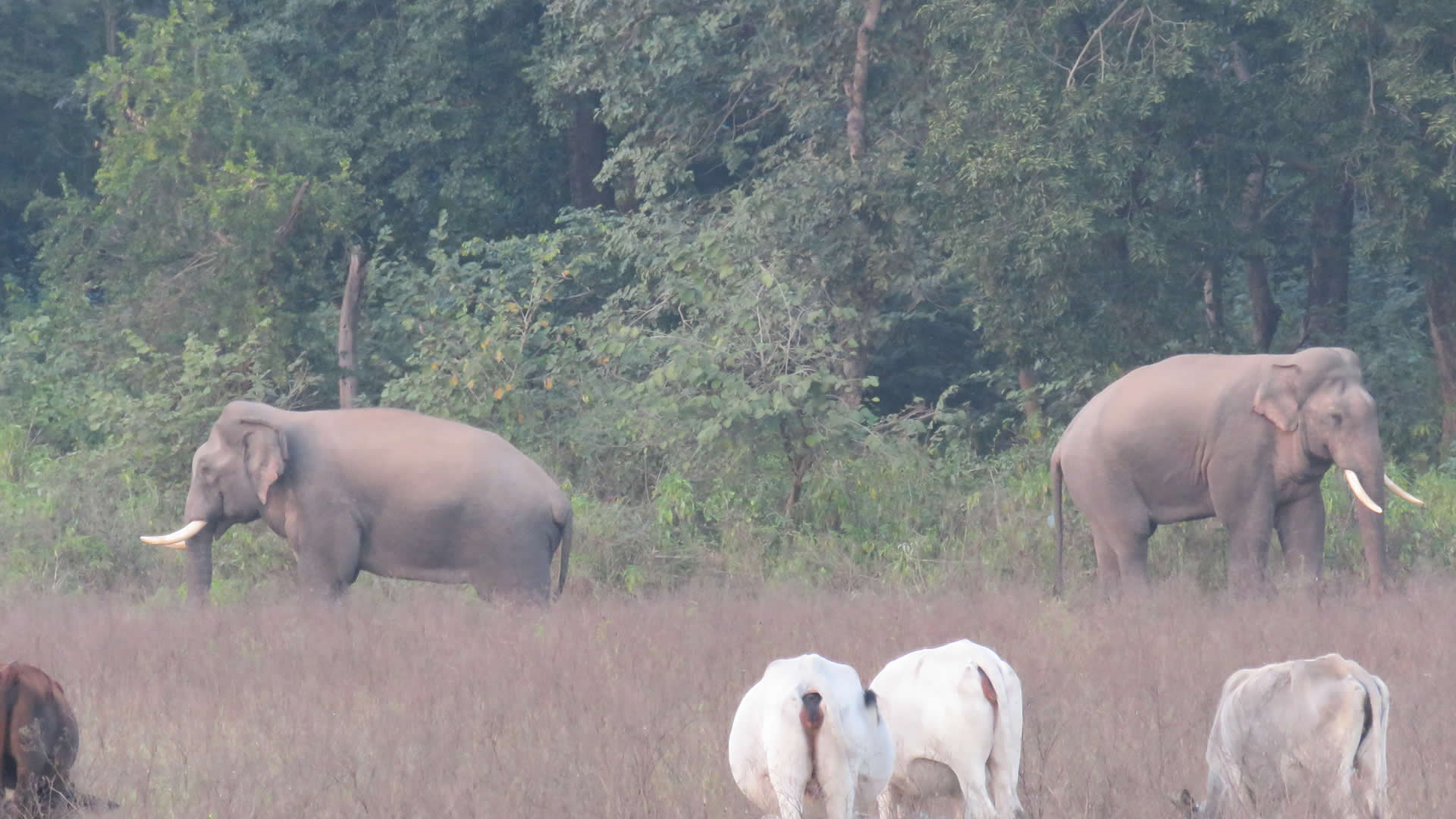
🐘 Wildlife Photography | Elephant, Swamp Deer, Sambar, Spotted Deer, Wild Boar, Nilgai |
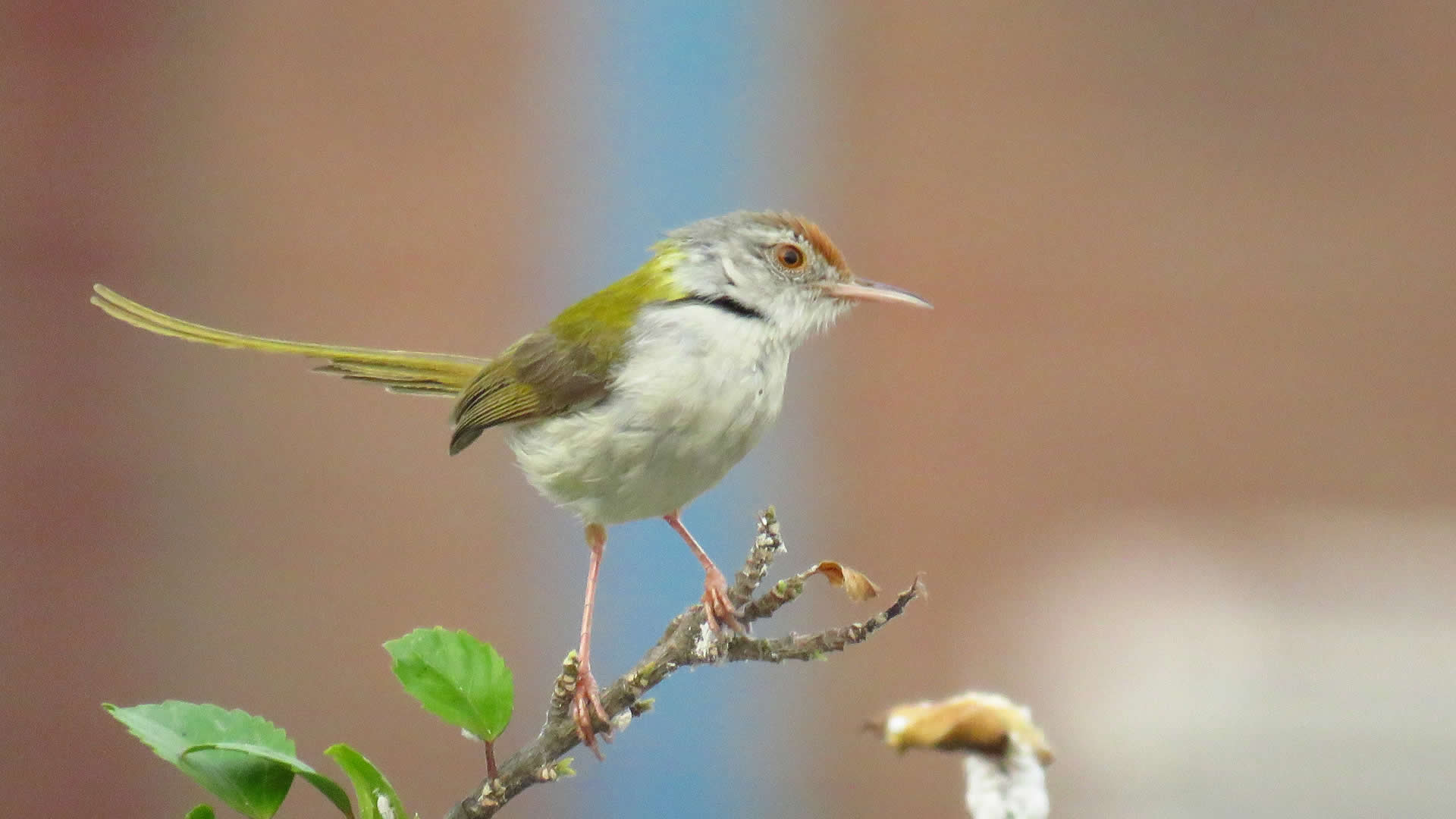
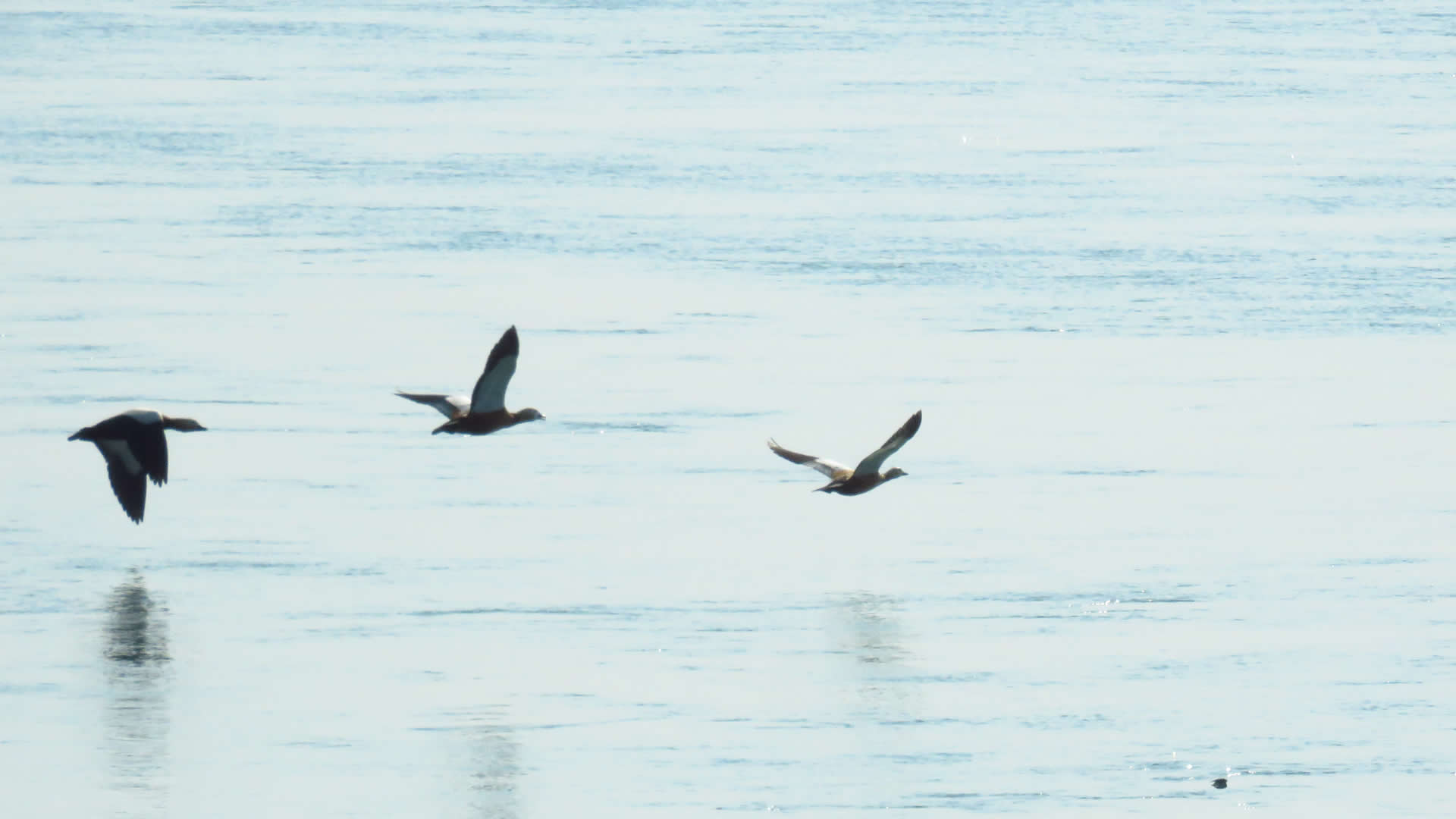
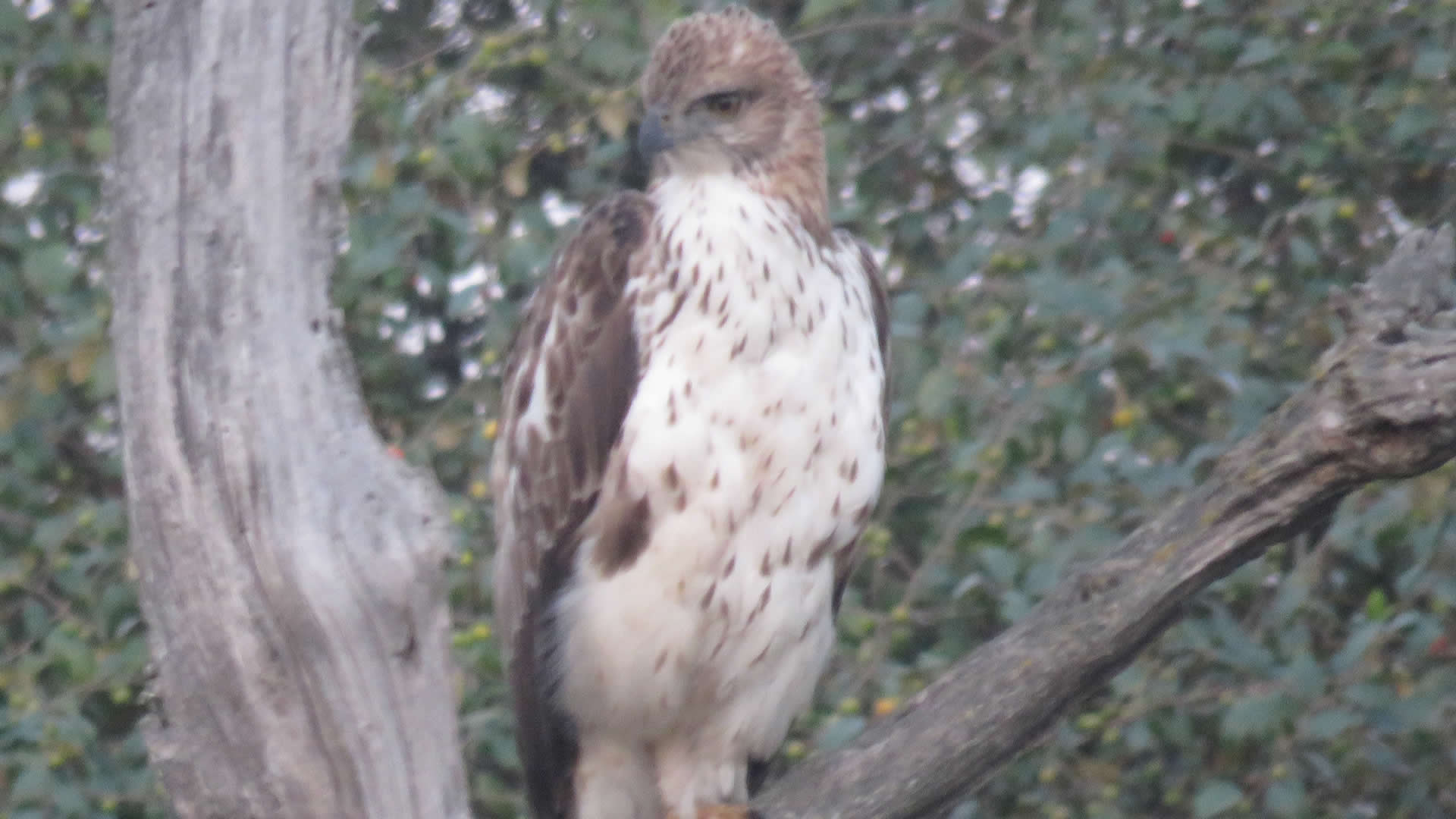
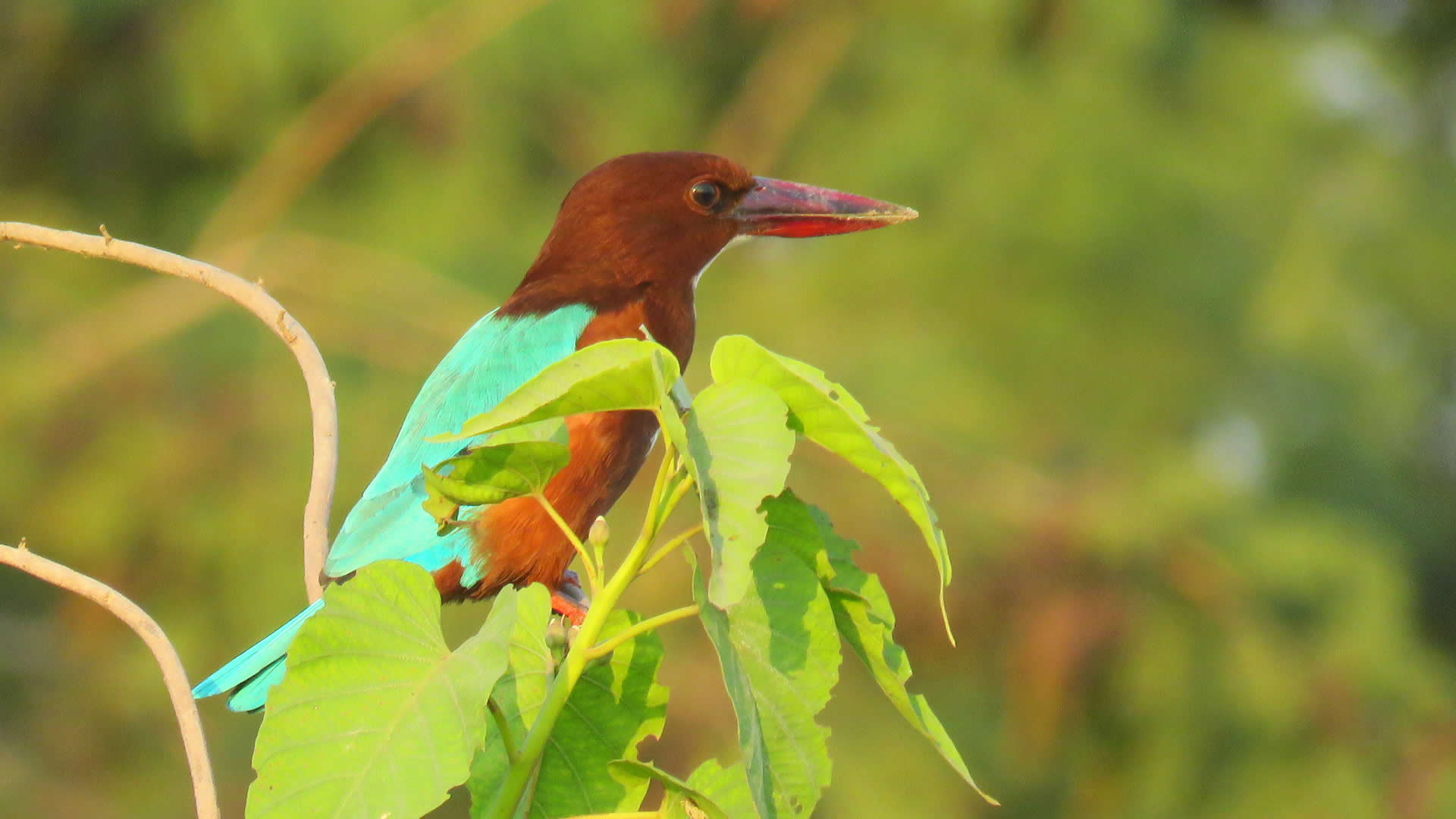
🐦 Bird Photography | Hornbills, Kingfishers, Flycatchers, Raptors, Waterbirds, Waders |
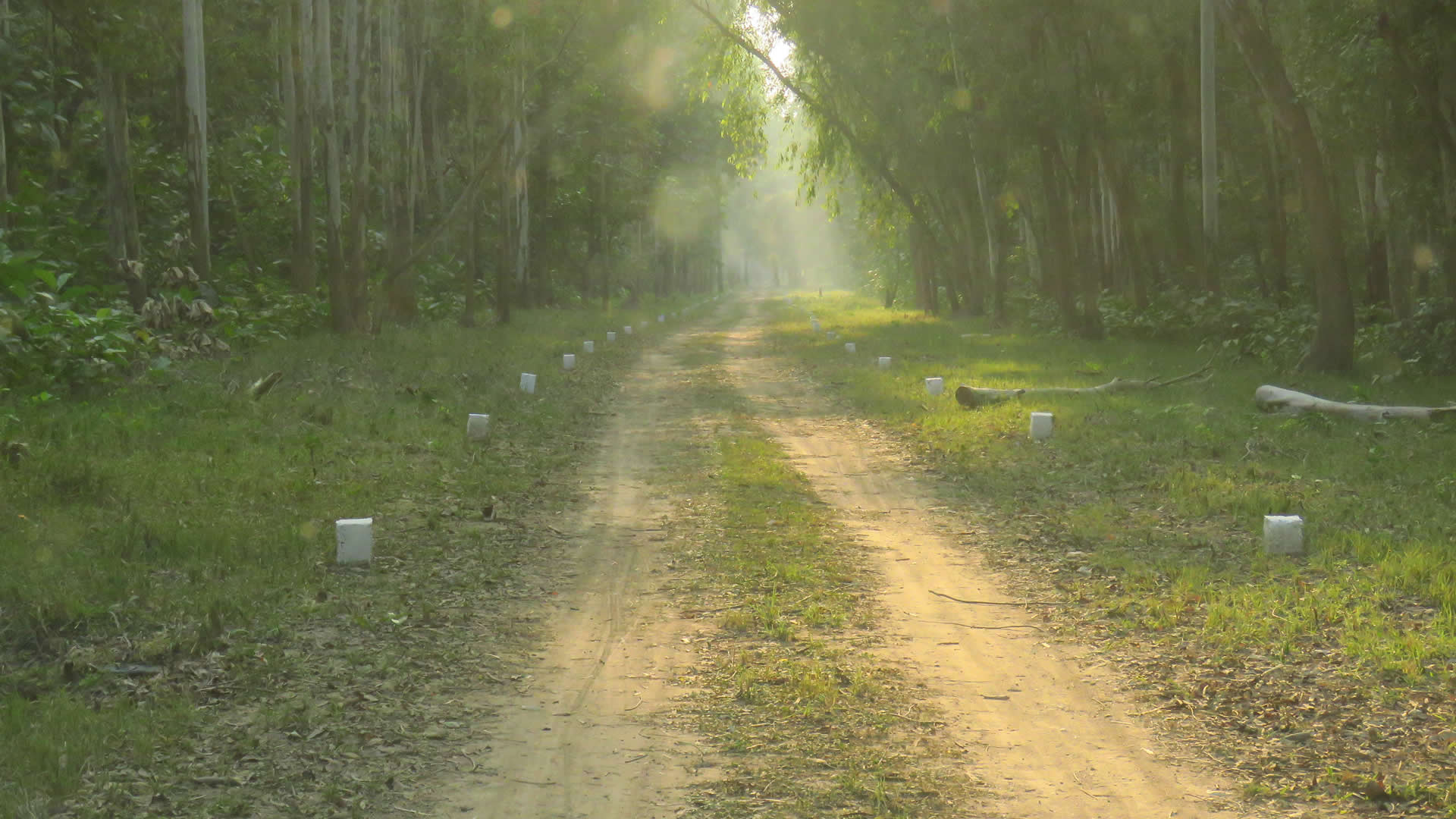
🌿 Nature Photography | Wetlands, grasslands, forest, riverine landscape |
🦋 Macro Photography | Butterflies, insects, flowers, textures |
🌅 Landscape Photography | Wetland sunrise, grassland, river, forest and wildlife habitat |
Important: wildlife sightings are naturally unpredictable. The package should sell photography opportunities and habitat experience, rather than guaranteed sightings.
Small Photography Group
Maximum 2–6 participants is a very good selling point. The existing Jhilmil photography packages also use this small-group model.
Multiple Photography Sessions
Instead of one ordinary safari, the package should emphasize repeated photography opportunities.
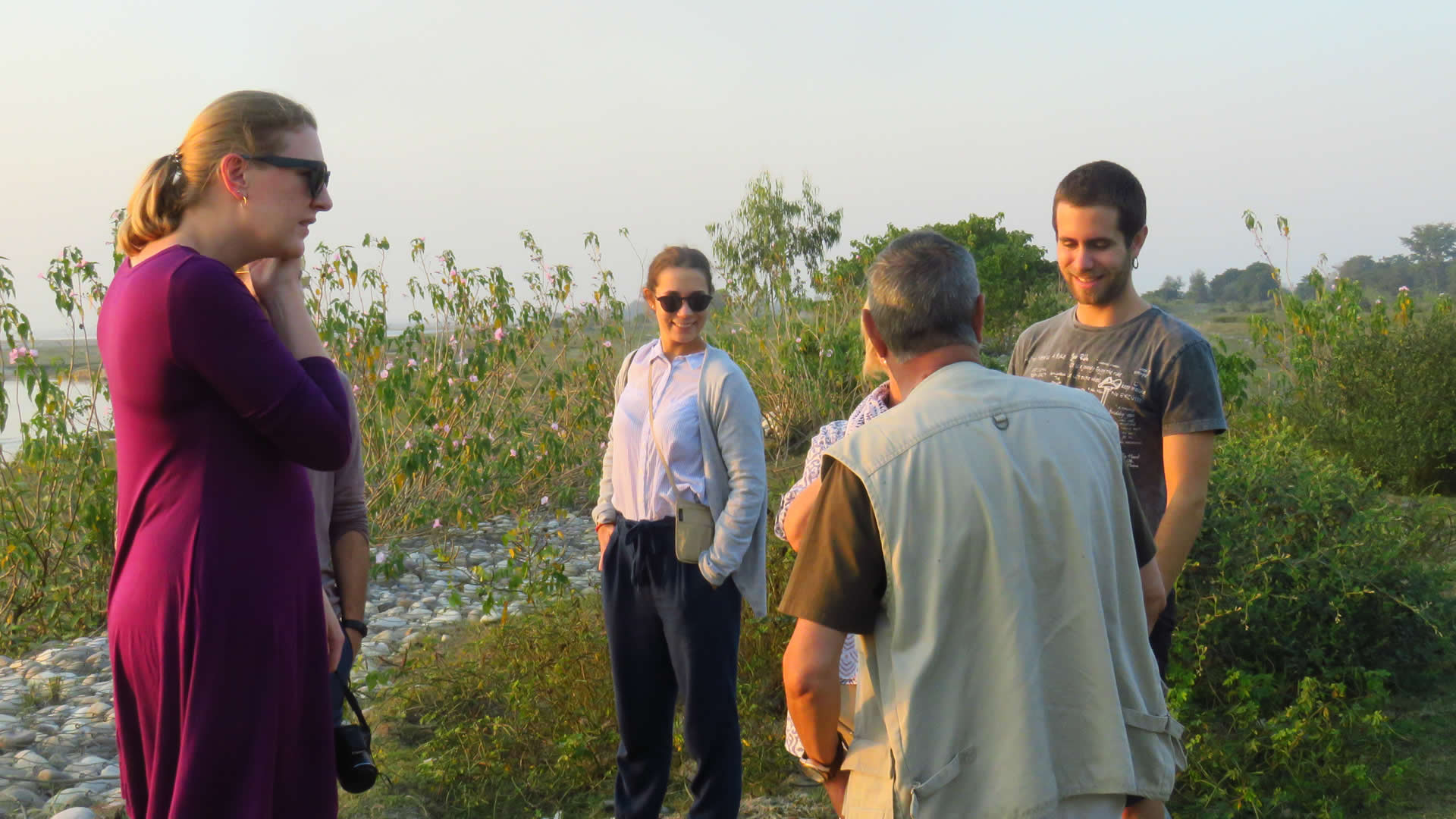
Experienced Nature Guide
A knowledgeable guide/naturalist can help photographers understand:
Animal behaviour
Bird calls
Wildlife movement
Photography positions
Habitat characteristics
Photographer-Friendly Pace
Unlike a conventional sightseeing safari:
We don’t rush from one sighting to another. We wait, observe and photograph.
This should become one of the main selling messages.
I would create separate landing-page sections for:
Wild Elephant Photography
Jhilmil is particularly suitable for positioning around wild elephant photography. The existing specialist package already markets a 3D/2N experience around elephant photography with three safari sessions.
Bird Photography
November–February can be promoted particularly strongly for migratory/wetland bird photography, while the local photography operator describes the winter period as especially rich in wetland birds.
Grassland Bird Photography
April–June and October–December are identified by the existing Jhilmil offering as useful periods for grassland bird photography, including chats, tits and flycatchers.
Swamp Deer Photography
This should be one of the headline subjects because Jhilmil’s conservation significance is strongly associated with the Swamp Deer/Barasingha.
DSLR/Mirrorless camera
100–400mm / 200–600mm telephoto lens
Wide-angle lens
Macro lens if interested in nature/macro photography
Extra batteries
Multiple memory cards
Bean bag / camera support
Lens cleaning kit
Rain/dust protection
Binoculars
Neutral/dull-coloured clothing
Comfortable walking shoes
Water bottle
Personal medicines
Torch/headlamp
For serious photographers, I would specifically mention 600mm/800mm lenses and teleconverters, but make clear that large lenses should be used only where permitted and practical.